

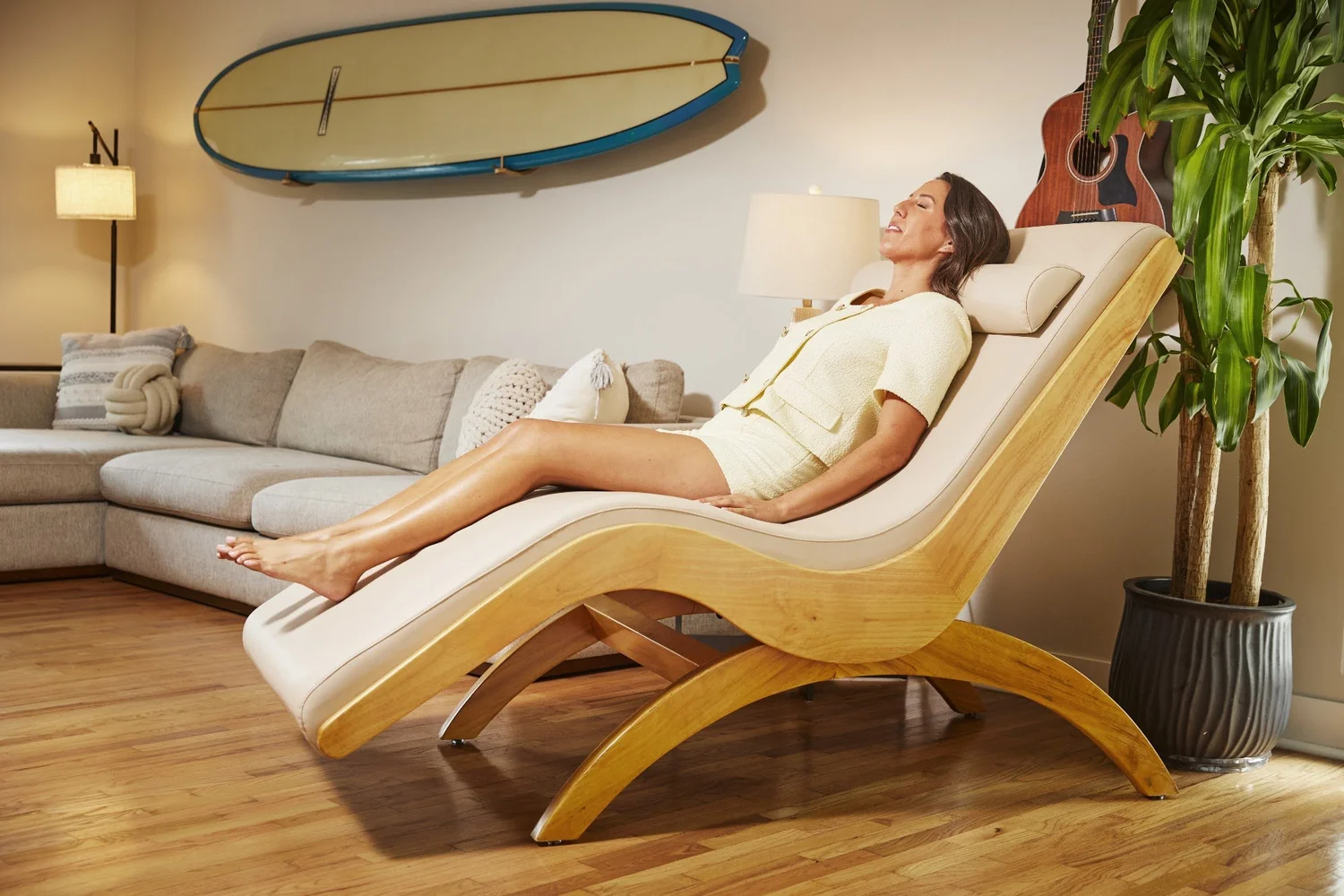
You finally lie down, and your mind keeps running. Your shoulders are still up by your ears. If that sounds familiar, your body may be stuck in its stress setting.
Two systems, one switch
Your autonomic nervous system has two main modes. The sympathetic side runs “fight or flight.” The parasympathetic side handles what Cleveland Clinic describes as “rest and digest,” helping your body relax after stress.
The problem is that modern life keeps tapping the stress switch. Harvard Health explains that repeated activation of the stress response takes a toll on the body over time.
The vagus nerve connection
Your vagus nerve is a major part of the parasympathetic system. According to Cleveland Clinic, activating it is a cue to your body that it is not in danger, which allows you to calm down.
Small ways to help your body shift
- Slow your exhale. Breathe in for four counts and out for six.
- Hum or sing. Gentle vibration in the throat and chest is a simple reset many people enjoy.
- Move gently. A walk or easy stretching can release stored tension.
- Give your body something steady to feel, like rhythm, warmth or sound.
The NIH’s National Center for Complementary and Integrative Health notes that relaxation techniques are skills that improve with practice. That is the idea behind a weekly Bhliss Journey: steady sound and vibration give a busy body a clear signal that it is safe to let go.
Give your nervous system a reset
See sessions and pricingThis article is for education and is not medical advice. Bhliss Journeys are wellness experiences designed to support relaxation.